मोहन वीणा से विकास और आधुनिक तन्त्री-वाद्य निर्माण में नवाचार
सात्विक वीणा भारतीय तन्त्री-वाद्यों की आधुनिक परम्परा में विकसित एक नवीन वाद्य है, जिसका निर्माण संगीतज्ञ सलिल भट्ट ने किया है। वे ग्रैमी पुरस्कार से सम्मानित पण्डित विश्वमोहन भट्ट के पुत्र हैं, जिन्होंने मोहन वीणा का निर्माण किया था। इसी सांगीतिक परम्परा को आगे बढ़ाते हुए सलिल भट्ट ने अपनी विशिष्ट वादन-शैली की आवश्यकताओं के अनुरूप सात्विक वीणा विकसित की। इसका उद्देश्य शास्त्रीय रागों के प्रस्तुतीकरण में ध्वनि की गहराई, समृद्धि और निरन्तरता को विस्तार देना था।
सात्विक वीणा के विकास का प्रमुख आधार सलिल भट्ट की व्यक्तिगत वादन-शैली है, जिसमें गायकी और तन्त्रकारी दोनों अंगों का समन्वय मिलता है। उनकी शैली में तीव्र गति की तानें, आघातयुक्त तथा आघातरहित तानों का विशेष स्थान है। इन विविध वादन-तकनीकों और उनके सूक्ष्म अन्तरों को प्रभावी ढंग से प्रस्तुत करने के लिए उन्होंने एक ऐसे वाद्य की कल्पना की, जो ध्वनि की निरन्तरता के साथ विभिन्न प्रकार की तानों के अनुकूल हो।
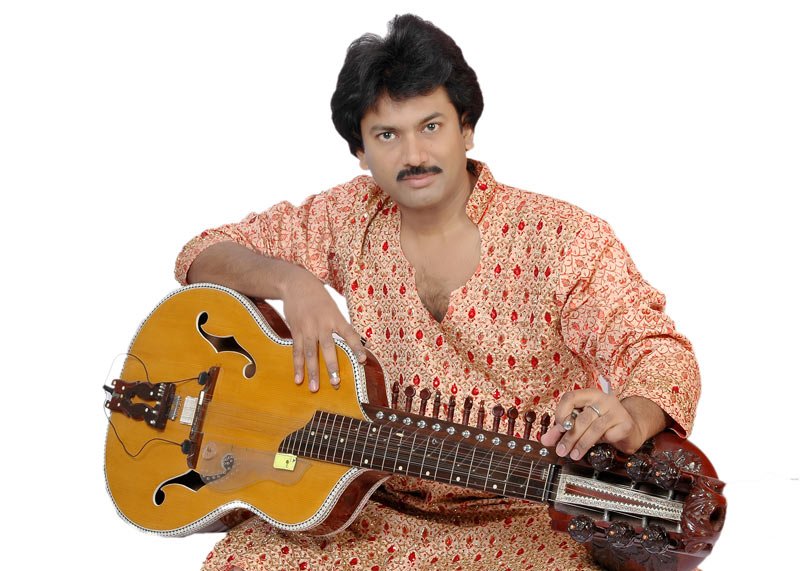
सात्विक वीणा के निर्माण में लगभग सौ वर्ष पुराने ओक वृक्ष की लकड़ी के एक खण्ड का उपयोग किया गया है। इसके ऊपरी भाग को पाइन की लकड़ी से बनाया गया है, जिससे ध्वनि का अनुनाद और प्रसार सुगम हो सके। वाद्य के शरीर में अंग्रेज़ी अक्षर ‘एफ’ के आकार के दो ध्वनि-छिद्र बनाए गए हैं, जो ध्वनि के बाहर निकलने में सहायक हैं। इसका तन्त्री-पटल रोज़वुड की लकड़ी से निर्मित है।
सात्विक वीणा की संरचना में कुल उन्नीस तन्त्रियों का उल्लेख मिलता है। इनमें तीन मुख्य स्वर-तन्त्रियाँ, पाँच सहायक अनुनादी अथवा ड्रोन तन्त्रियाँ तथा बारह तरब तन्त्रियाँ बताई गई हैं। मुख्य तन्त्रियाँ राग के स्वर-विस्तार के लिए प्रयुक्त होती हैं, जबकि अन्य तन्त्रियाँ वाद्य की ध्वन्यात्मक समृद्धि में योगदान देती हैं।
इस वीणा की एक विशिष्ट विशेषता इसकी स्वर-मेलन व्यवस्था है। इसके लिए विशेष रूप से निर्मित लकड़ी की खूँटियाँ तन्त्री-पटल के विस्तारित भाग पर लगाई गई हैं। ये खूँटियाँ भीतर छिपी हुई स्वर-मेलन यांत्रिक व्यवस्था से जुड़ी रहती हैं। पारम्परिक वाद्यों में प्रचलित क्षैतिज खूँटियों के स्थान पर सात्विक वीणा में इन्हें ऊपर की ओर खड़ा रखा गया है। यह व्यवस्था इसके बाहरी स्वरूप को भी विशिष्ट बनाती है।
वाद्य का शीर्ष अर्धचन्द्राकार है और मुख्य शरीर के तल से ऊपर उठता हुआ दिखाई देता है। इस शीर्ष के ठीक नीचे एक तुम्बा लगाया गया है। यह तुम्बा वाद्य को गोद में रखकर बजाते समय आधार और बेहतर पकड़ प्रदान करता है।
सात्विक वीणा का ऐतिहासिक महत्त्व मोहन वीणा से जुड़ी आधुनिक वाद्य-विकास परम्परा तथा कलाकार की व्यक्तिगत वादन-आवश्यकताओं के अनुरूप किए गए संरचनात्मक प्रयोगों में निहित है। इसकी विशेष लकड़ी, अनुनादक व्यवस्था, तन्त्री-विन्यास, स्वर-मेलन प्रणाली और अर्धचन्द्राकार शीर्ष इसे एक विशिष्ट पहचान देते हैं। यह वाद्य भारतीय शास्त्रीय संगीत में परम्परागत गायकी और तन्त्रकारी अंगों को आधुनिक वाद्य-निर्माण के माध्यम से अभिव्यक्त करने का एक महत्त्वपूर्ण उदाहरण है।
प्रमुख स्रोत: सलिल भट्ट की आधिकारिक वेबसाइट, salilbhatt.in; सात्विक वीणा के निर्माण, संरचना और वादन-शैली सम्बन्धी विवरण।
Satvik Veena
Evolution from the Mohan Veena and Innovation in Modern Stringed-Instrument Design
The Satvik Veena is a modern innovation in the Indian stringed-instrument tradition, created by musician Salil Bhatt. He is the son of Grammy Award-winning Pandit Vishwa Mohan Bhatt, the creator of the Mohan Veena. Continuing this musical lineage, Salil Bhatt developed the Satvik Veena to meet the requirements of his distinctive performing style. The instrument was conceived to provide greater depth, richness and continuity of sound in the rendering of classical ragas.
The development of the Satvik Veena was closely connected with Salil Bhatt’s individual baaz, or playing style, which combines the Gayaki and Tantrakari approaches. His technique incorporates rapid taans, including both struck and non-struck passages. To accommodate these variations and their expressive possibilities, he designed an instrument capable of supporting sustained resonance and a wide range of melodic techniques.
The body of the Satvik Veena is constructed from a block of approximately one-hundred-year-old oak wood. Its upper soundboard is made from pinewood, selected to facilitate the resonance and transmission of sound. Two F-shaped sound holes are incorporated into the body to allow the sound to emerge more freely. The fingerboard is fashioned from rosewood.
The instrument is described as possessing nineteen strings, comprising three principal melody strings, five drone strings and twelve sympathetic strings. The principal strings carry the melodic development of the raga, while the remaining strings contribute to the instrument’s tonal richness and resonance.
A distinctive feature of the Satvik Veena is its tuning arrangement. Specially designed wooden tuning keys are mounted upon an extended section of the fingerboard. These keys are connected to concealed tuning machines, combining a traditional wooden appearance with a different mechanical arrangement. Unlike the horizontally positioned tuning keys commonly found on traditional instruments, the keys of the Satvik Veena stand upright at the head of the instrument.
The head is shaped like a crescent and rises above the plane of the main body, giving the instrument a distinctive profile. Immediately beneath it is a tumba, or gourd resonator, attached to provide support and a firmer grip when the instrument is played on the lap.
The historical significance of the Satvik Veena lies in its continuation of the modern instrument-making tradition associated with the Mohan Veena and its adaptation to the individual requirements of a performing musician. Its carefully selected woods, resonating structure, string arrangement, tuning mechanism and crescent-shaped head distinguish it as an innovative instrument. The Satvik Veena thus represents an important example of contemporary Indian instrument development, bringing together the expressive traditions of Gayaki and Tantrakari with new approaches to construction and performance.
Principal source: Salil Bhatt’s official website, salilbhatt.in, describing the creation, construction and playing characteristics of the Satvik Veena.